Steel Construction
Where only precision counts
Requirements for bolting technology in accordance with EN 1090
The requirements of the European standard can pose a real challenge for many companies in the steel construction industry. As a result, the demands placed on the appropriate bolting tools – both in manufacturing and, in particular, in the field – are very high. Plarad bolting tools consistently meet these requirements.
With Plarad brand torque wrenches and tightening tools, users can always be confident that they are using durable, safe, and high-quality products. Our extensive Plarad product portfolio incorporates the latest EN, DIN, and VDI standards for various tightening methods.
We have briefly summarized the most important information regarding the relevant standards for you:
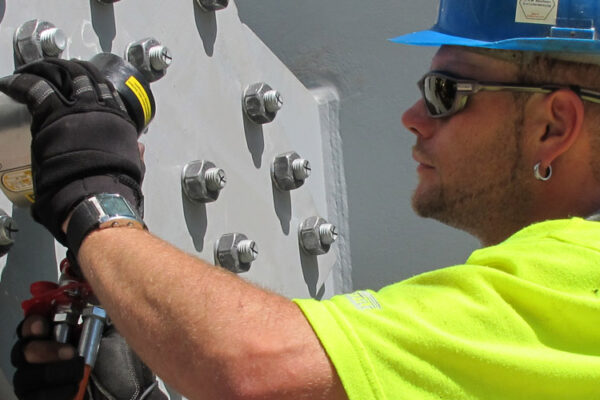
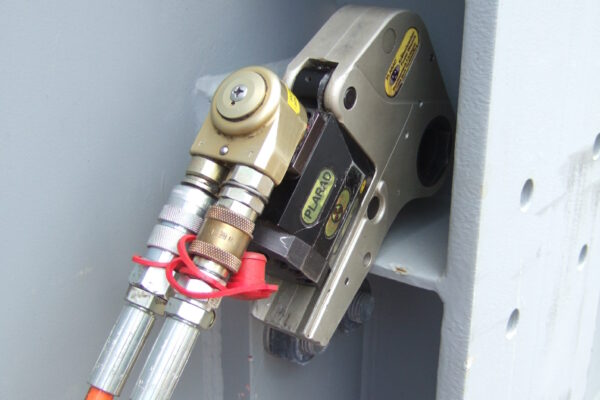
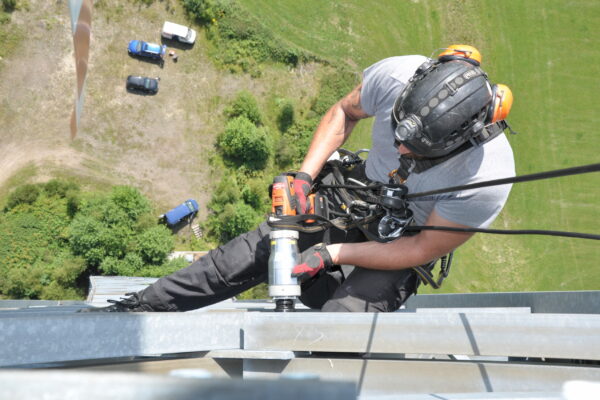
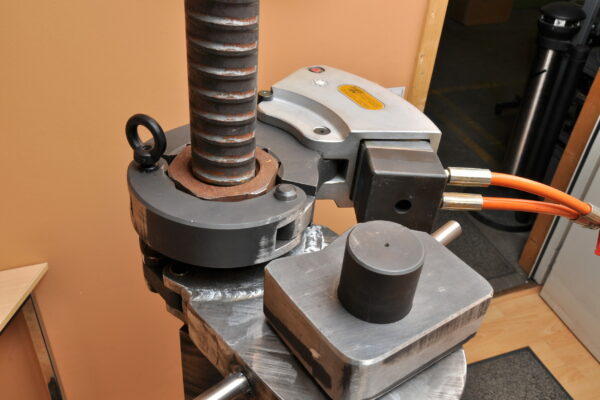
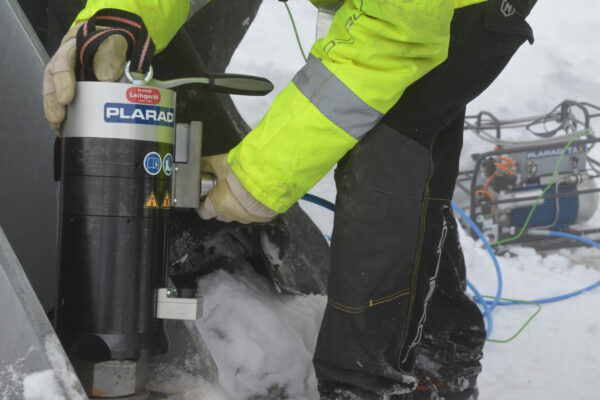
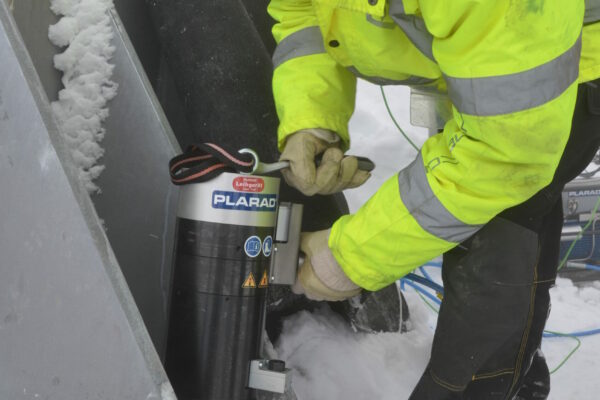
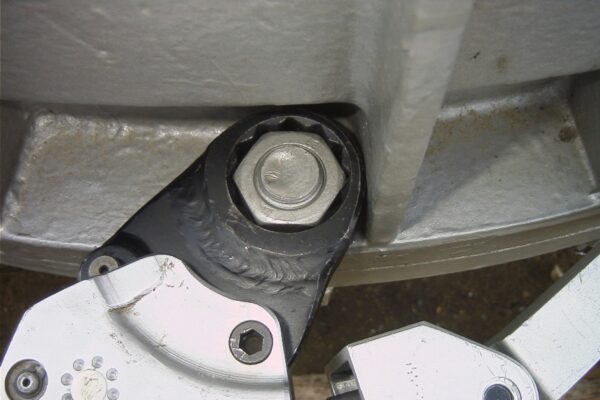
Whether you use a torque-based method or a combined method, our broad product portfolio includes all the methods needed to meet your requirements for bolting operations in steel construction.
General Information
Tightening tools used must have an accuracy of ±4% in accordance with EN ISO 6789 for all tightening steps of the torque method.
Each tightening tool must be maintained in accordance with EN ISO 6789; in the case of pneumatic torque wrenches, the tool must be inspected each time the hose lengths are changed.
For torque wrenches used in the first tightening step of the combined preload method, these requirements apply with a modified accuracy of ± 10% and annual inspections.
Torque Method
The screws must be tightened using a tightening tool that provides an appropriate working range. Manual or automatic nutrunners may be used. Impact wrenches may only be used for the initial tightening step for each screw.
The tightening torque must be applied continuously and evenly.
The tightening process using the torque method consists of at least the following two steps:
1. Tightening step:
Set the torque wrench to a tightening torque of approximately 0.75 Mr.i. This first tightening step must be completed for all screws in a joint before beginning the second tightening step.
2. Tightening step:
The torque wrench is set to a torque of 1.10 Mr,i.
Combined Method
Tightening using the combined preload method consists of two steps:
– an initial tightening step using a tightening tool that provides an appropriate working area. The torque wrench is set to a tightening torque of approximately 0.75 Mr,i.
– The first tightening step must be completed for all bolts in a joint before beginning the second tightening step. Unless otherwise specified, Mr,1 = 0.13 d Fp,C may be assumed for simplicity.
– a second tightening step in which a specified additional angle of rotation is applied to the rotated portion of the fastener assembly.
– The position of the nut relative to the screw thread must be marked after the first tightening step so that the additional rotation angle of the nut relative to the screw thread can be easily determined during this second tightening step.
Our Tools for Steel Construction
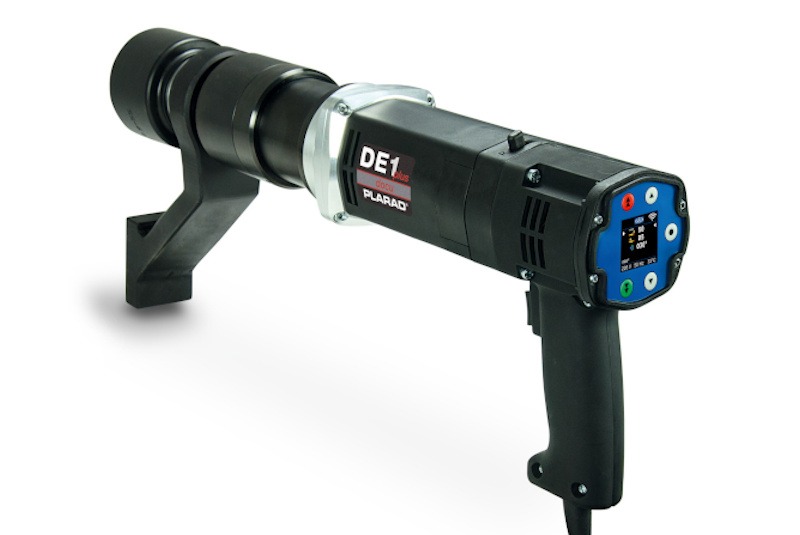
The New Generation of Electric Impact Wrenches – The DE1 docu-plus
The DE2control impresses with its 3,600 Nm of concentrated power and its documentation feature. It is powerful, lightweight, and ensures precise and secure fastening. With its newly developed documentation function via Wi-Fi, this electric nutrunner already meets Industry 4.0’s requirements for future standards in the field of fastening documentation.


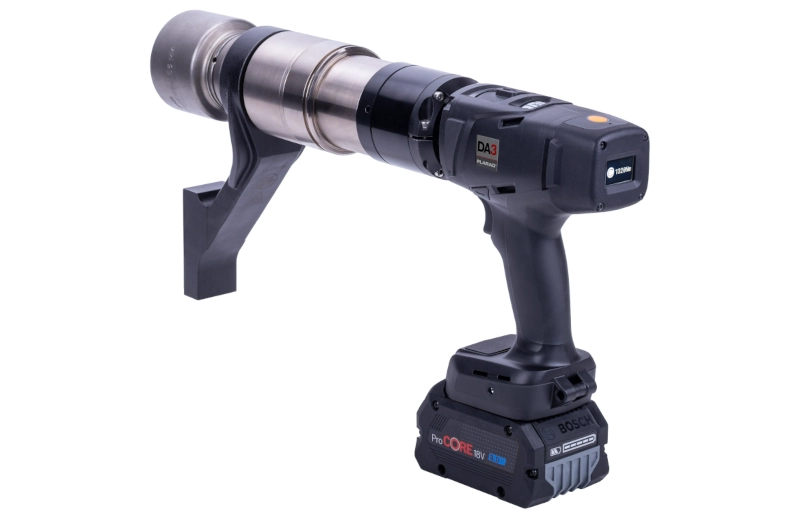
PLARAD DA3 Cordless Impact Driver
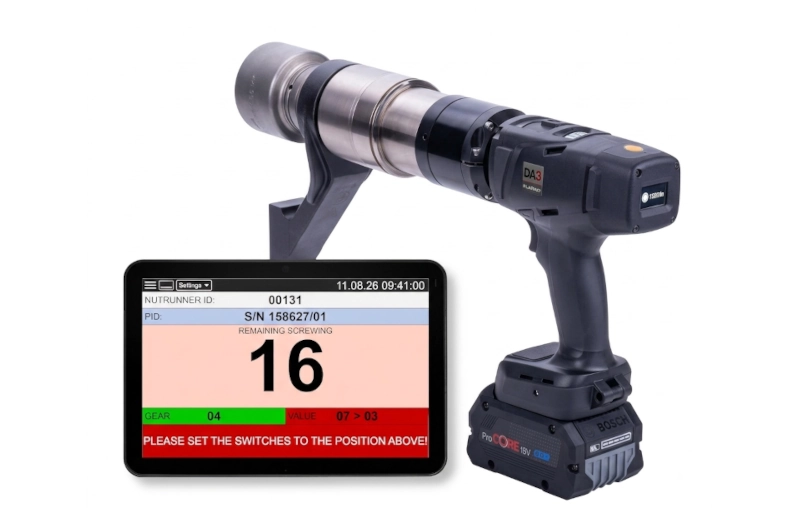
The DA3docu builds on the functions of the DA3power and transmits the fastening data via Wi-Fi to tablets or smartphones, so tightening results can be documented directly at the worksite. The automatic, infinitely variable 360° swivel joint and the ergonomic dual trigger ensure safe and comfortable operation.